
This is a quick post about my newly discovered versatile math manipulative, and how I have been using magnetic cubes for math instruction.
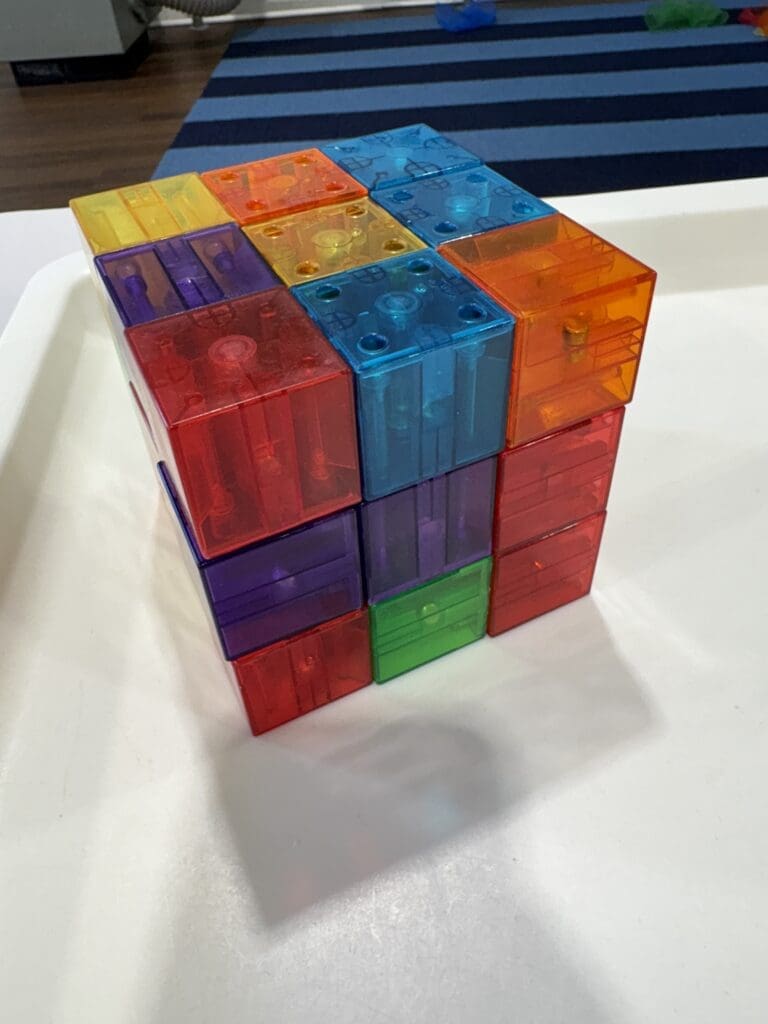
I became a teacher in the nineties. I have been using plastic unifix cubes for a lot of things for years. And they are great. But then one day over spring break this year I was at Play Street Museum with my six year old grandson, and they had magnetic cubes. I found myself as a middle aged adult fascinated by playing with these. And knowing that my 5th grade homeschool hybrid academy group was about to start learning how to find volume of rectangular prisms, I knew I wanted to get some.
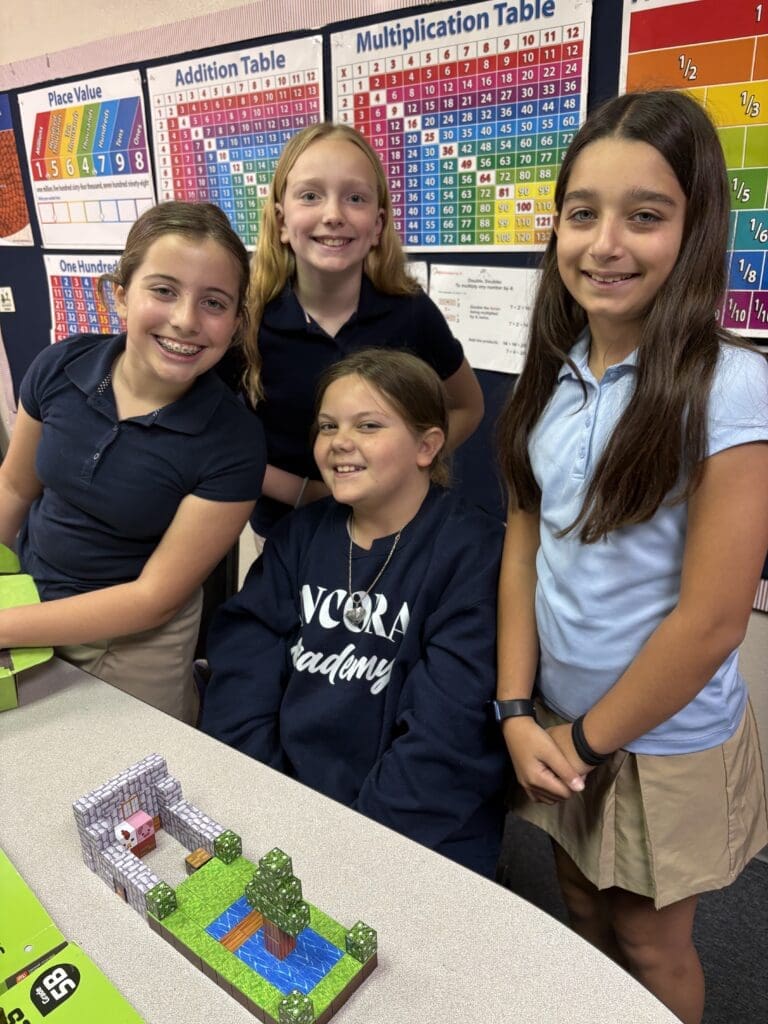
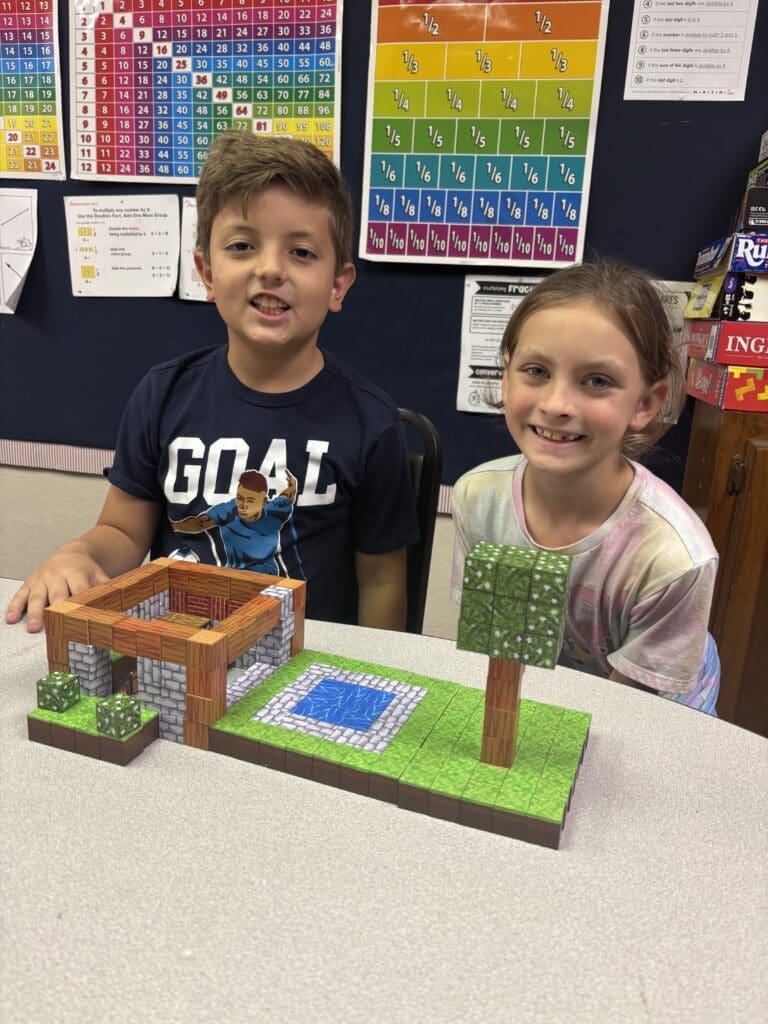
When I went on Amazon to look for magnetic cubes, what I found on sale was these ones made to look like Minecraft bricks. They are not actual Minecraft brand; they are generic (or what my students called “AI Minecraft”) But the students immediately characterized them as Minecraft, and they were OBSESSED. You can find them here. I originally bought a box of 300 but then ended up buying a second box. Many of my students’ parents have since purchased them from home as well! One 4th grader excitedly told me he got them in his Easter basket (a sign of a really fun math manipulative.)

We started in 5th grade with this free printable “Build a Rectangular Prism” activity from Jennifer Findley. This is a favorite activity I use every year. You can download it free here (or find my complete resource post on Teaching Volume of Rectangular Prisms here.) Students are given 36 cubes and asked to build rectangular prisms with different dimensions, then record the dimensions. Such a great connection to finding factors. Kids liked the activity last year when we did it with unifix cubes; they LOVED it with magnetic cubes.

Next I had the idea to use the cubes in place of the square tiles that I usually use for building multiplication arrays and teaching the concept of factors, simply because they would stick together easily but also be separated easily. This is with a 1:1 special needs tutoring student who struggled with connecting plastic cubes but could easily connect these. Similar to the prisms above, I gave her 20 cubes and asked her to find all the ways they could be placed to make a rectangle.
Since then I have used them with younger students for adding and subtracting and for place value. They can be used for measurement activities. We played a review game where students earned cubes and stole cubes from each other for answering questions, then got to free build at the end. I am planning on using them for surface area. I am working on an idea where I use them as algebra tiles. There are so many other things we could use these for.
And.. they are my hybrid students’ new favorite free time or indoor recess activity. 2nd grade to 6th grade all love them equally. It’s so fun to see them working together to creatively build.
I would highly recommend trying out using magnetic cubes for math in your home or classroom!